Why Visibility Improves Execution
Operations
5 min read · July 2026
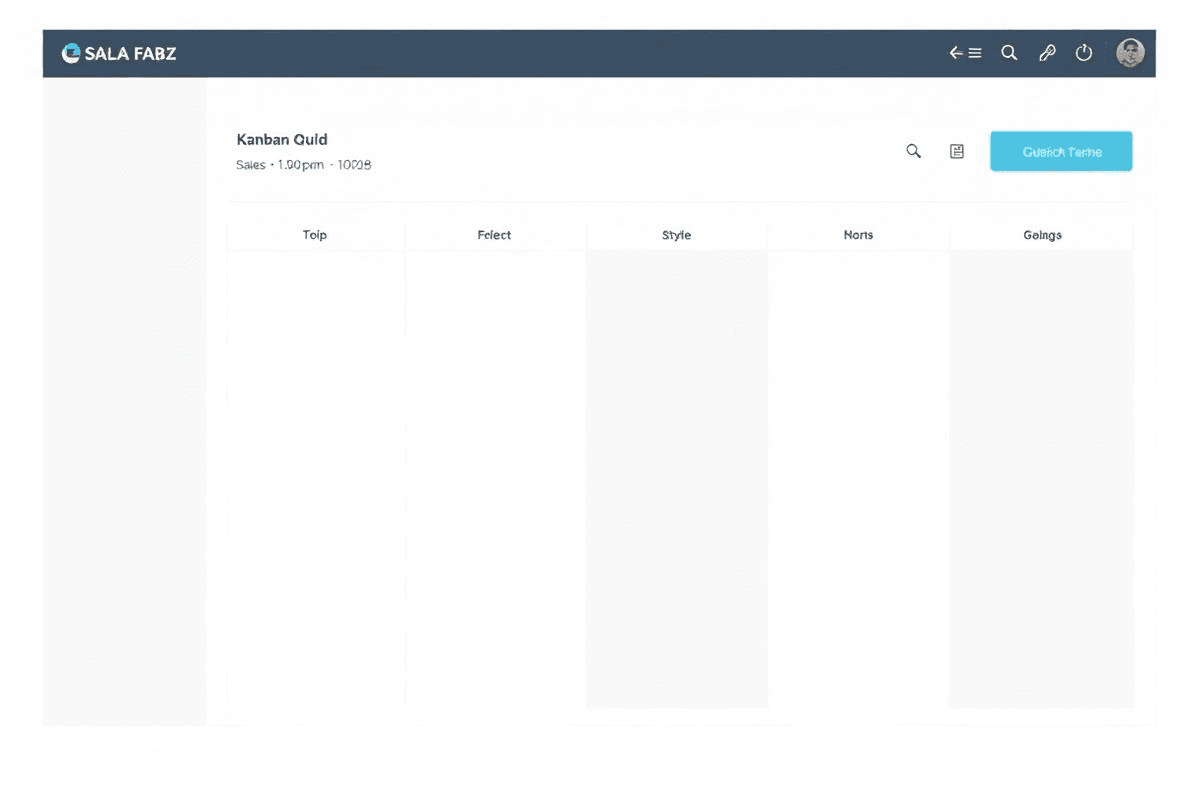
Why Visibility Improves Execution
Many organizations think operational visibility means having more dashboards.
But visibility alone does not improve execution.
Operational visibility only matters when it creates:
clearer accountability,
faster decisions,
and reduced coordination overhead.
Without operational discipline, dashboards become passive reporting systems instead of execution tools.
Teams Need Context, Not More Data
Operational overload often comes from excessive information without clear structure.
Teams struggle when they cannot quickly understand:
what matters,
what is blocked,
and who owns progress.
Good operational visibility reduces noise.
It surfaces the information teams need to make decisions without reconstructing workflow context manually.
Visibility Reduces Manual Coordination
One of the biggest operational inefficiencies inside growing teams is status reconstruction.
Managers spend time:
asking for updates,
checking progress manually,
and coordinating information across disconnected systems.
Operational visibility reduces this dependency.
When workflows expose ownership, status, and execution progress directly, coordination becomes significantly easier.
Visibility Creates Operational Accountability
Execution improves when workflows become transparent.
Teams respond faster when:
responsibilities are visible,
bottlenecks are identifiable,
and operational progress is measurable.
Visibility creates accountability naturally because operational gaps become easier to identify early.
Operational Clarity Scales Better Than Oversight
Organizations cannot scale execution through oversight alone.
As teams grow, manually coordinating operational visibility becomes unsustainable.
Structured visibility systems create scalable execution environments where teams can operate with greater autonomy and consistency.